


"Roads? Where we're going, we don't need roads." — Dr. Emmett Brown, Back to the Future
Introduction
Let’s go back in time. 1985 was a weird and wild year for Hollywood. The U.S. box office was filled with senior citizen aliens, teenage time travelers, African safaris, “Brat Packs,” and treasure-hunting children. Meanwhile, the dominance of the VCR was on the rise, Japan’s equivalent to Disney was born and Cold War fears continued to drive many studio productions.
The film industry was entering a pivotal transition as viewers gained more control over how and where they watched movies. While the summer blockbuster formula pioneered by Jaws and Star Wars continued to dominate the mainstream, the industry also saw a surge in large-budget, esoteric fantasy films. Though many of these ambitious projects struggled to find an audience in theaters, they would soon be rediscovered and transformed into cult classics on the rental store shelves.
View all the films from 1985 mentioned in this post here:
The Vital Stats
Average Ticket Price: $3.55 (~$10.50 adjusted for inflation)
Ticket Sales: 1.06 billion sold (down from 1.2 billion in 1984, a year driven by massive hits like Ghostbusters and Beverly Hills Cop)
Rise of the VCR: Approximately 30% of U.S. households owned a VCR by the end of the year.
Video Rental Revenue: Hollywood earned roughly $5.37 billion in rentals by the end of ‘85, significantly outpacing the ~$3.75 billion in annual domestic box office revenue.
The Industry
After Disney narrowly avoided a corporate takeover and subsequent restructuring in 1984, they faced another financial crisis in ‘85 when The Black Cauldron and Return to Oz failed to return on their investments. The company’s animation department was eventually set on a path to recovery by Michael Eisner and Frank Wells, though the “Renaissance” would not fully bloom until later in the decade.
In June of ‘85, Hayao Miyazaki co-founded Studio Ghibli, Japan’s massively successful answer to Disney, following the success of Nausicaä of the Valley of the Wind.
Rupert Murdoch acquired 20th Century Fox, paving the way for the creation of Fox News. Meanwhile, Ted Turner engaged in a turbulent buyout of MGM/UA. Though he eventually sold much of it back, he retained the massive film library that would eventually become the backbone of Turner Classic Movies (TCM).
Blockbuster Video opened its first store in Dallas, Texas, in October 1985. This paved the way for a revolution in home media, allowing studios to take greater risks knowing films could find a second life on VHS even if they underperformed at the box office.

As a result of this home video boom, the WGA went on strike in 1985 over residuals for video sales. They eventually settled for a 0.3% share of gross home video sales—a decision that created a ripple effect impacting the strikes of 2007 and 2023.
The Scorecard
Box Office Takeaways
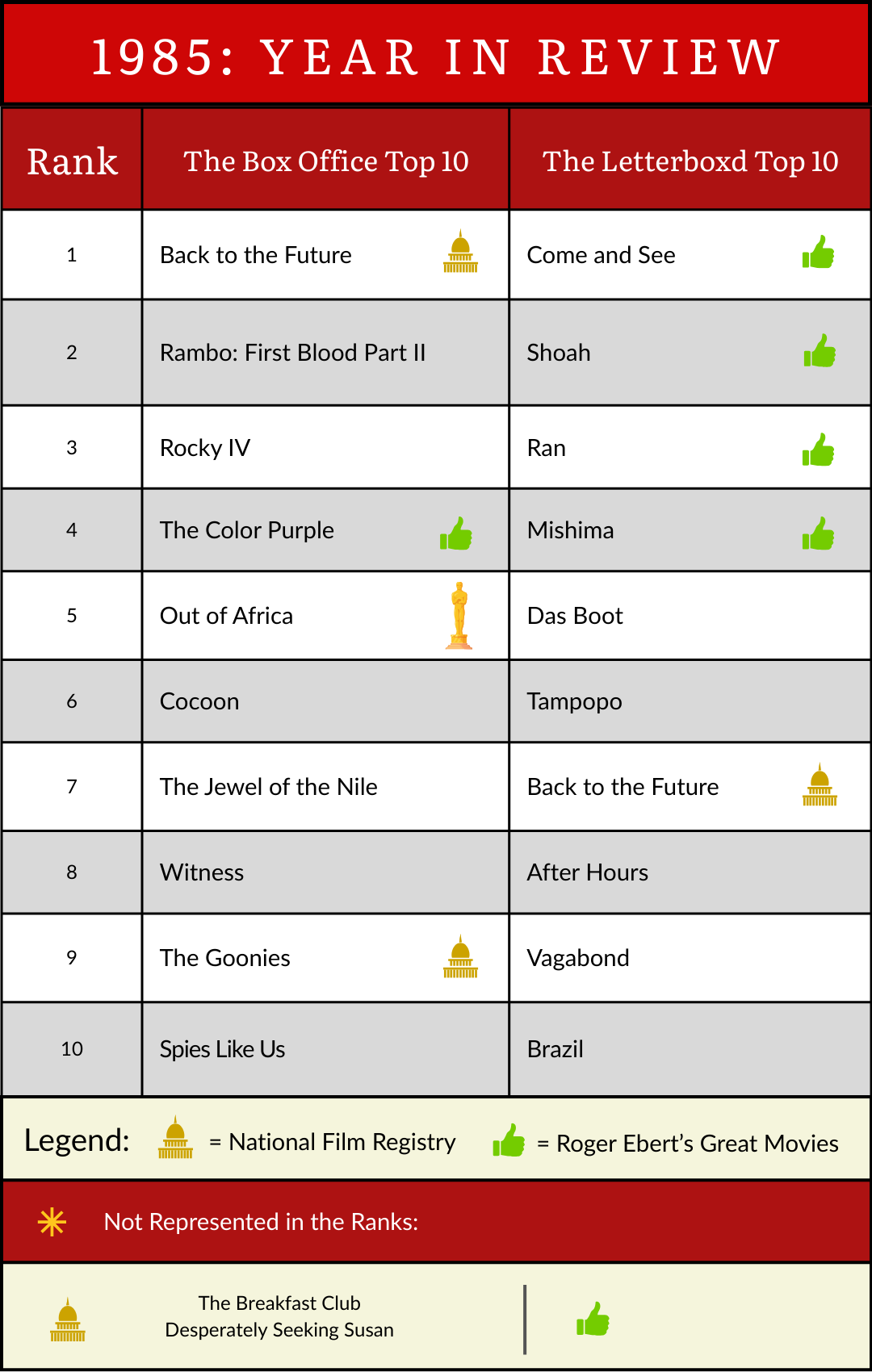
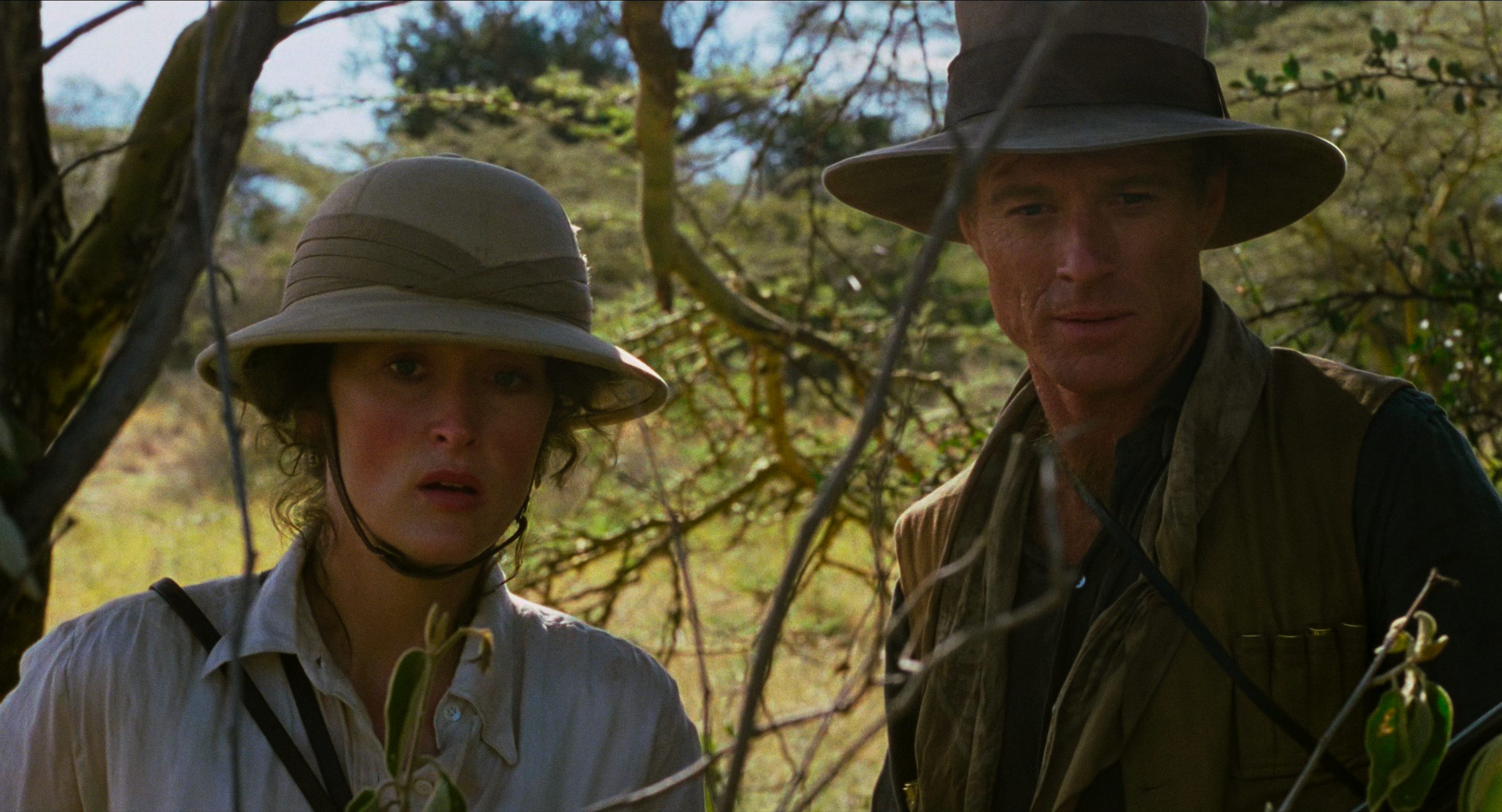
The box office winners of 1985 aren’t especially surprising in hindsight. Robert Zemeckis’s Back to the Future introduced an innovative and effective way to bring time travel to the big screen, wrapped in a perfect script. Rocky and Rambo were major franchises that were easy to market, despite their increasing absurdity. The Color Purple benefited from being Steven Spielberg’s follow-up to the previous year’s Temple of Doom. Out of Africa was a classic “prestige” epic, sold on the star power of Robert Redford and Meryl Streep.
Notably, Back to the Future is the only film to land in both the Box Office Top 10 and the Letterboxd Top 10 for the year. Alongside The Goonies, it remains perhaps the most fondly remembered film of ‘85, still a staple of repertory theaters and outdoor movie nights nationwide.
Critical Consensus
Contemporary critics and modern cinephiles often hold a contrasting view to the box office hits of the time. The films rated most highly by Letterboxd viewers today are overwhelmingly bleak, complex, or international.
Come and See is a devastating anti-war masterpiece from the Soviet Union. Shoah is a landmark nine-hour Holocaust documentary composed entirely of interviews. Ran is Akira Kurosawa’s sumptuously colorful samurai epic based on King Lear. Mishima: A Life in Four Chapters is a highly stylized American-Japanese co-production about the life of the controversial author. This dichotomy exemplifies 1985 perfectly: the public sought escapist entertainment, while the “Greatest” films of the year were wrestling with the heaviest themes of the 20th century.
Statues & Snubs
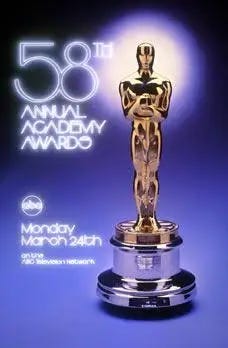
The big winner of the 58th Academy Awards was Out of Africa, which swept 7 Oscars, including Best Picture. In a shocking turn, Spielberg’s adaptation of The Color Purple was snubbed entirely, winning zero Oscars despite a record-tying 11 nominations. Some critics at the time suggested its chances were hurt by controversies regarding its portrayal of certain themes from Alice Walker’s novel.
Best Foreign Film when to Argentina’s The Official Story—none of the nominees are in the Letterboxd top ten. Paul Newman received an honorary award for his work on and off screen. Meanwhile, the Coen Brothers quietly made the debut with a Grand Jury Prize at the Sundance Film Festival for their film Blood Simple. The Palme d’Or at the Cannes Film Festival went to Yugoslavian film, When My Father Was Away on Business. Best Artistic Contribution went to Mishima and the Grand Prix went to Alan Parker’s Birdy.
Overlooked Gems & My Two Cents
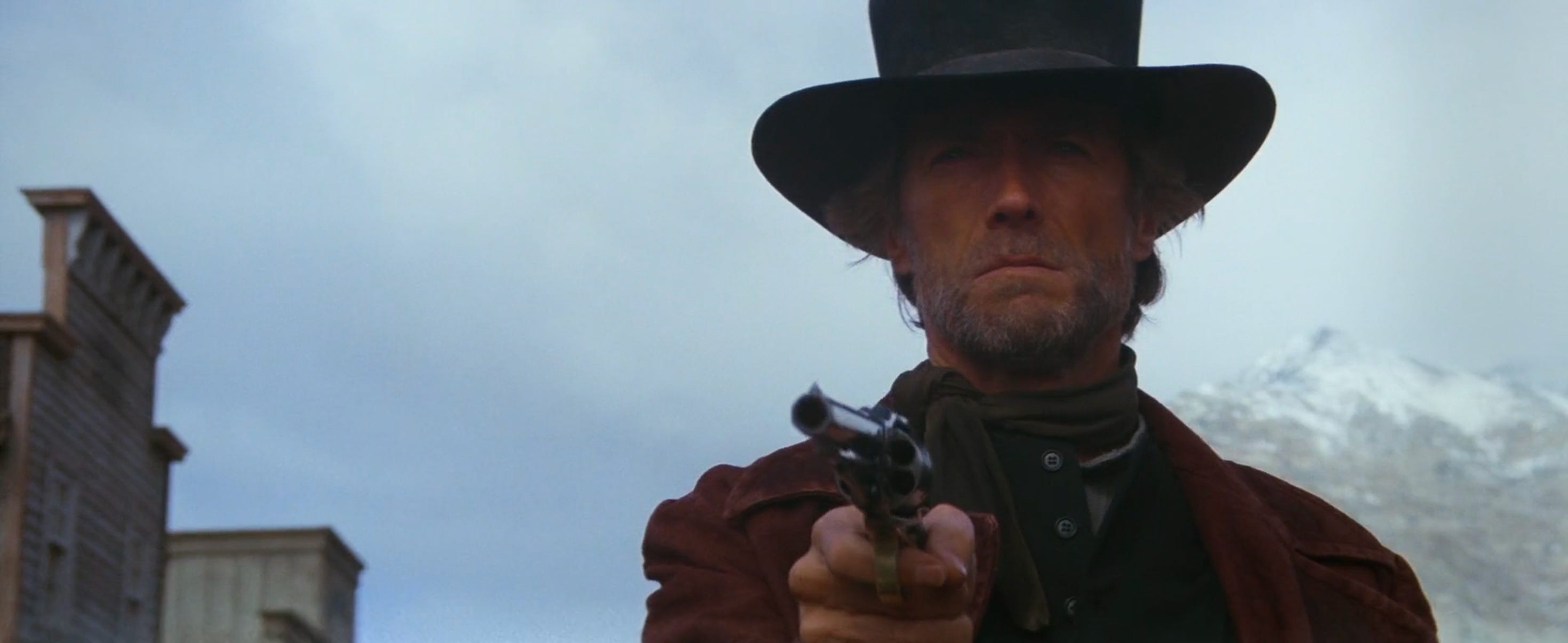
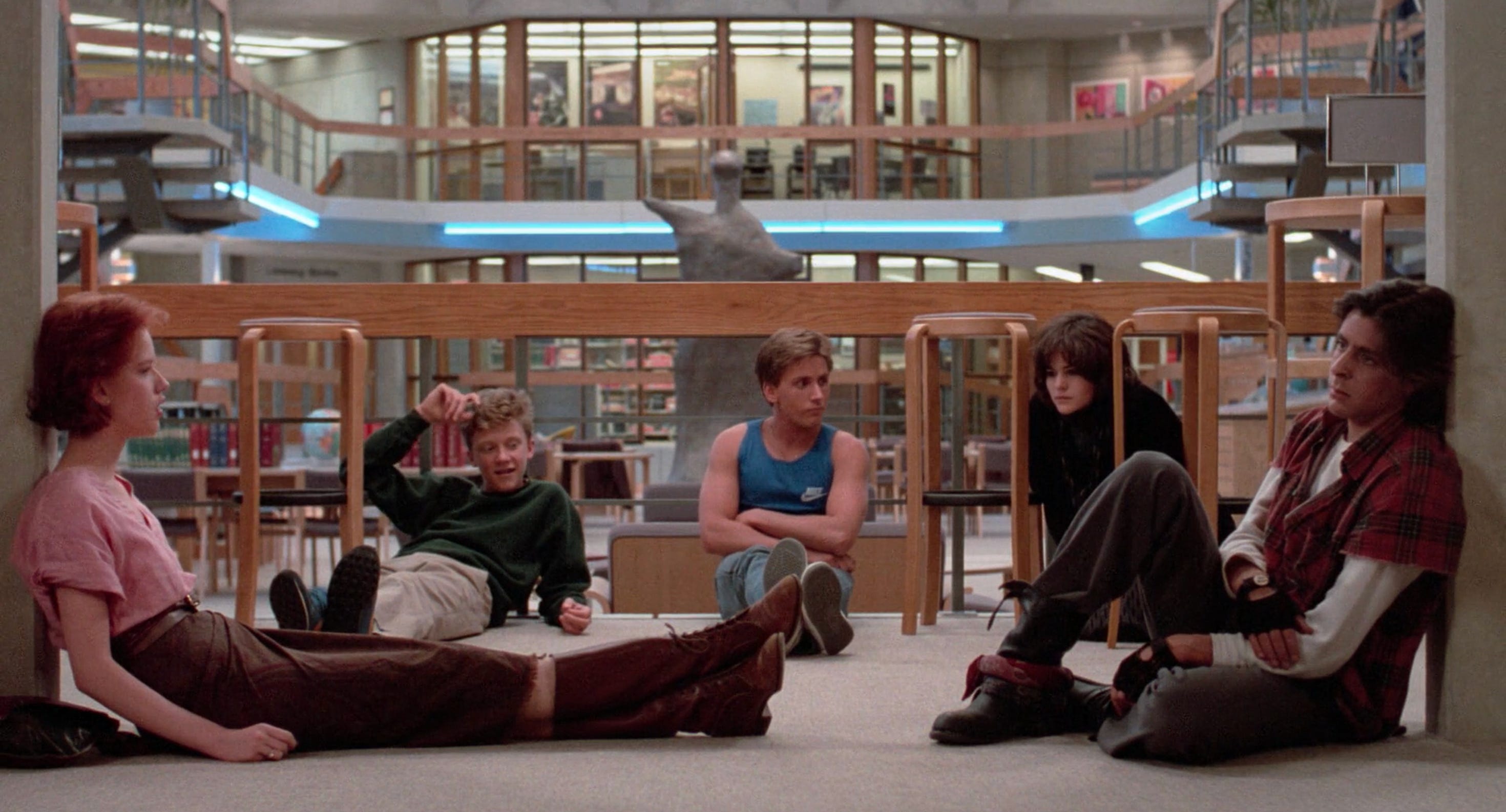
Several films from 1985 were overlooked at the time but have since achieved legendary status. John Hughes’s The Breakfast Club is now considered a definitive high school masterpiece. Albert Brooks’s Lost in America remains one of the smartest comedies of the decade. Clint Eastwood’s sole Western of the 80s, Pale Rider, is all too often forgotten, though it was also the highest grossing Western of the 80s.
Based on a screenplay by Akira Kurosawa, The Runaway Train went criminally underwatched despite spectacularly directed action sequences. Amazing, over the top action film Commando has garnered quite the cult following, deservedly so. The Legend of Billie Jean flew under the radar as a fantastic low-budget “feminist” action film. In comedy, Fletch and Brewster’s Millions have both maintained strong cult followings. Finally, George A. Romero’s Day of the Dead was a modest hit that is now viewed as a high-water mark for practical horror effects.
Weirdness of ‘85
If the 1980s were whimsical, 1985 may have been the peak. The sheer variety of “cult” oddities is staggering: Pee-wee’s Big Adventure, Return to Oz, Re-Animator, Teen Wolf, Better Off Dead, Return of the Living Dead, Weird Science, Crimewave, and Mad Max Beyond Thunderdome. Even the Bond franchise got weird with Roger Moore’s final outing, A View to a Kill.
Technological Milestones
As THX expanded after its 1983 debut, Lucasfilm pushed boundaries with the first fully computer-generated character (the Stained Glass Knight) in Young Sherlock Holmes. The success of this proof-of-concept helped George Lucas eventually spin off his computer division into an independent company: Pixar Animation Studios.
Social Impacts
The Cold War heavily influenced 1985’s output. Tensions were reflected in blockbusters like Rocky IV, Rambo: First Blood Part II, and Spies Like Us, as well as more harrowing films like Threads, Come and See, and White Nights.
The year also saw the release of Buddies, the first feature film to explicitly address the AIDS epidemic. Its director, Arthur J. Bressan Jr., tragically died of AIDS-related complications only two years later.
Curiosities
The Brat Pack: The term was coined by David Blum in a June 1985 New York magazine article, referring to the core group of young actors (Emilio Estevez, Rob Lowe, Molly Ringwald, etc.) appearing in films like St. Elmo’s Fire and The Breakfast Club.
PG-13’s First Full Year: After its introduction in mid-1984 with Red Dawn, the PG-13 rating enjoyed its first full calendar year in ‘85. This new rating was designed to bridge the gap for films that were too intense for PG but not explicit enough for R. Prominent films that carried the new rating this year included The Jewel of the Nile, National Lampoon’s European Vacation, Mad Max Beyond Thunderdome, and Enemy Mine.

In Memoriam
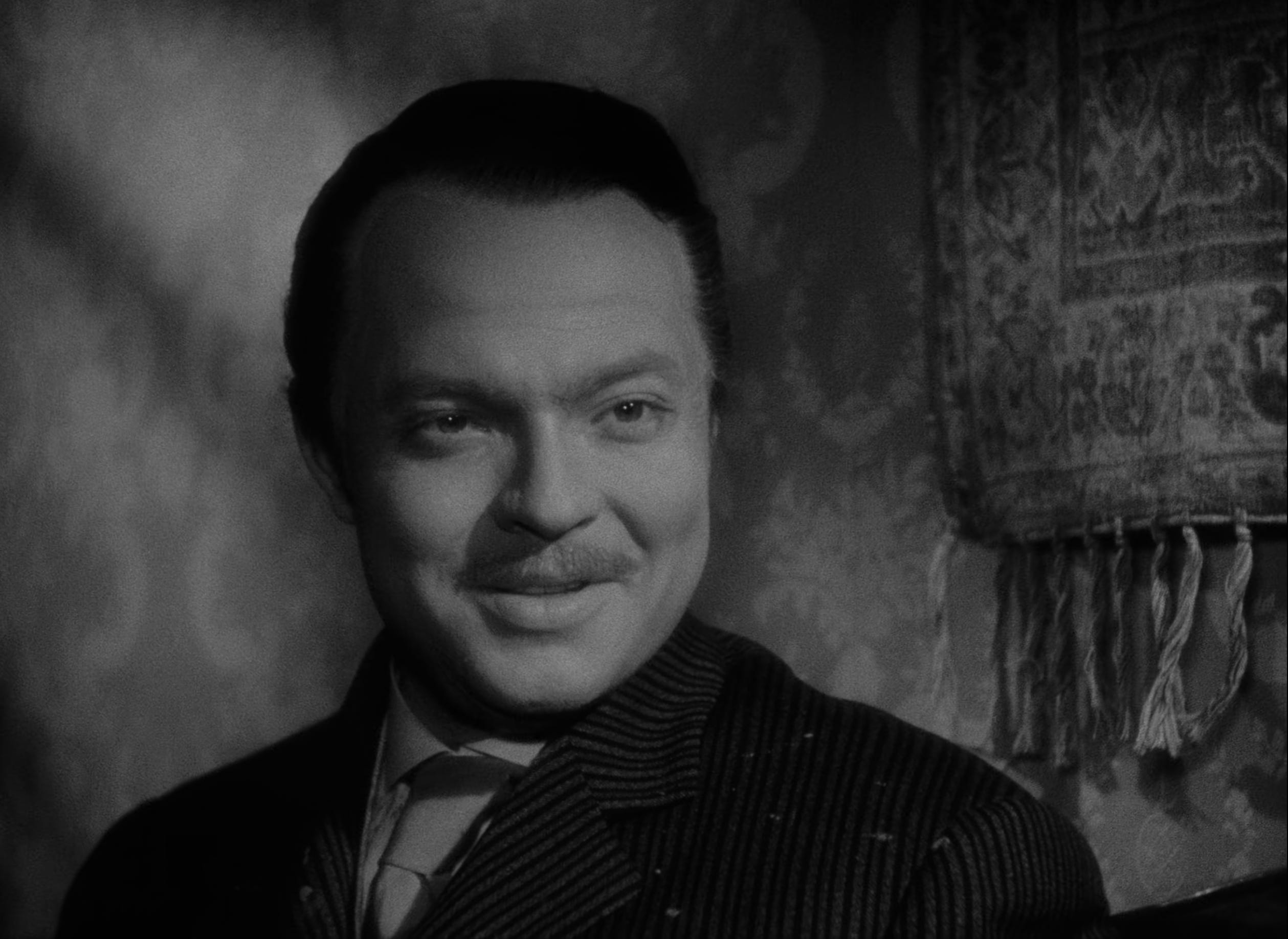
Orson Welles: The visionary behind Citizen Kane, often cited as the greatest film ever made. He left behind a legacy that includes Touch of Evil, The Lady from Shanghai, and The Magnificent Ambersons.
Rock Hudson: A beloved Hollywood heartthrob and star of Douglas Sirk melodramas (All That Heaven Allows) and romantic comedies (Pillow Talk). His death brought massive public attention to the AIDS crisis.
Yul Brynner: The Russian-born, Oscar-winning star of The King and I, The Ten Commandments, The Magnificent Seven, and Westworld.
Sam Spiegel: A legendary three-time Oscar-winning producer known for his collaboration with director David Lean. He won Best Picture for Lawrence of Arabia, The Bridge on the River Kwai, and On the Waterfront.
Absolutely love this idea! So glad I found you!!!
I love the Oscars and all things cinema!
So cool! Love this project of yours.